How To Spot Look-Alike Supplement Domains
It's increasingly common to find several similar-sounding domains associated with the same supplement brand, and not all of them carry the same trust signals.
Here's how this happens, and a practical approach for verifying before you order.
Why multiple similar domains exist
Affiliate and reseller variations. Different marketing partners sometimes register slightly different domain names to run their own campaigns for the same underlying product.
Rebranding or migration. A brand may move to a new domain over time, leaving older domains active or in the hands of third parties.
Opportunistic copycats. Occasionally, unrelated parties register confusingly similar domains to capture traffic intended for a popular product, with no guarantee of the same quality, fulfillment or refund practices.
Why this matters for your order
A domain with poor trust signals might still ship a product, but guarantee terms, customer service quality, refund reliability and even product authenticity can vary significantly between similar-sounding sites — even when they're marketing what looks like the same product.
A practical verification approach
1. Check the exact domain spelling character by character before entering payment information — small variations (an extra letter, a hyphen, a different extension) are the most common tell.
2. Search independently for the domain name plus ‘scam’ or ‘review’ before ordering, rather than relying only on what an ad or email link shows you.
3. Start from a source you trust — a bookmarked link or a direct search result — rather than clicking through an unfamiliar ad or forwarded link.
How this applies here
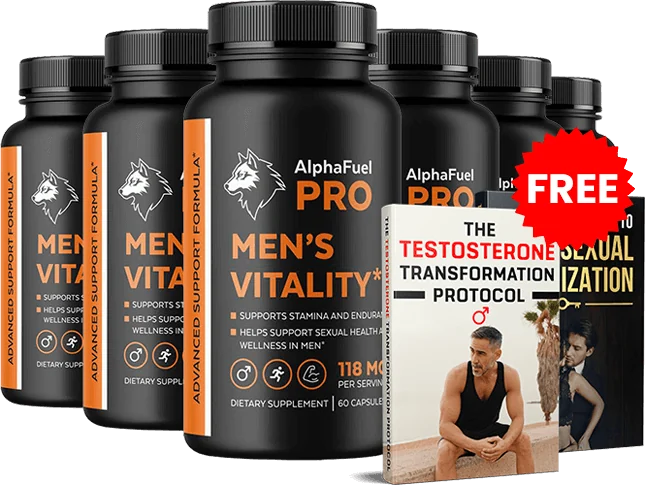
While researching AlphaFuel Pro, we found other websites using very similar domain names for similarly-branded products, with mixed trust signals reported for at least one. See our full honest verdict for how we factored that into our overall assessment.